Best Anti-Thinning Shampoo (2026): What Actually Helps vs What Just Looks Fuller
📌 TL;DR
- Most anti-thinning shampoos do not regrow hair, and the reason is structural: a shampoo is rinsed off within a minute or two, so any active ingredient has very little contact time to act on the follicle. The category is dominated by cosmetic 'fuller-looking' effects and hopeful marketing, with only a couple of genuinely evidence-backed options.
- The one with real anti-hair-loss evidence is ketoconazole shampoo (Nizoral). Used 2–3 times a week, it has published data suggesting modest hair-density benefit alongside its proven role against the scalp inflammation (seborrhoeic dermatitis) that can worsen shedding. It is the shampoo worth using for the hair-loss angle specifically.
- Caffeine shampoo (Alpecin and others) has interesting lab biology but thin clinical evidence and the same brief-contact-time problem. It is a reasonable, low-stakes adjunct with honest (low) expectations — not a treatment.
- Cosmetic 'thickening' or 'volumizing' shampoos make existing hair look fuller by coating and plumping the shaft. That is a real, immediate effect — but it is appearance only, washes out, and does nothing for the follicle. Perfectly fine if that is what you want; just know what you are buying.
- The honest hierarchy: ketoconazole for the evidence-backed scalp-and-density angle, caffeine as a pleasant adjunct, cosmetic volumizers for an instant fuller look, and skip the overpriced 'DHT-blocking botanical' shampoos whose contact time makes a real follicle effect implausible. None of them replaces minoxidil and finasteride.
Best Anti-Thinning Shampoo (2026): What Actually Helps vs What Just Looks Fuller
Last updated: June 2026 | Written by RK
The “hair growth shampoo” aisle is one of the most over-promised corners of the entire hair-loss market. Bottle after bottle claims to thicken, restore, regrow, and revitalise — and most of them, for the purpose of actually treating hair loss, do very little. The reason is almost embarrassingly simple and rarely mentioned: a shampoo is rinsed off within a minute or two, which leaves any active ingredient almost no time to penetrate and work on the follicle. Leave-on products are the format for regrowth; rinse-off products are mostly cleansing and cosmetics.
That does not make the whole category worthless — a couple of shampoos have real evidence, and others genuinely make hair look fuller. This guide grades them honestly by what they actually do: which one is worth using for the hair-loss angle, which are pleasant adjuncts, which are cosmetic-only, and which are overpriced hope. For the deep dives, see the ketoconazole and caffeine shampoo articles; for what actually drives regrowth, the best hair loss treatments overview.
Why most hair shampoos can’t do much
Category dominated by cosmetic effects + brief-contact-time limits; few exceptionsThe structural problem with the entire “growth shampoo” premise is contact time. Hair-loss drugs that work — topical minoxidil, topical finasteride — are formulated to stay on the scalp for hours, giving the active time to penetrate to the follicle. A shampoo does the opposite: you lather, maybe wait a moment, and rinse. Whatever active is in it gets seconds to minutes of contact before it goes down the drain.
That single fact reframes the whole category. It means:
- A shampoo is the wrong vehicle for an active that needs sustained contact — which is most of them. This is why minoxidil is a leave-on liquid or foam, not a shampoo.
- Most “growth” claims are overreach, leaning on a real-sounding ingredient whose effect the format does not actually support.
- The exceptions are ingredients that work fast or work on the scalp itself rather than needing deep follicular penetration — which is exactly where ketoconazole earns its place.
So the right question is not “which shampoo regrows hair” (almost none) but “which shampoo does something genuinely useful within its limits.” That sorts the category into clear tiers.
The tiers, graded honestly
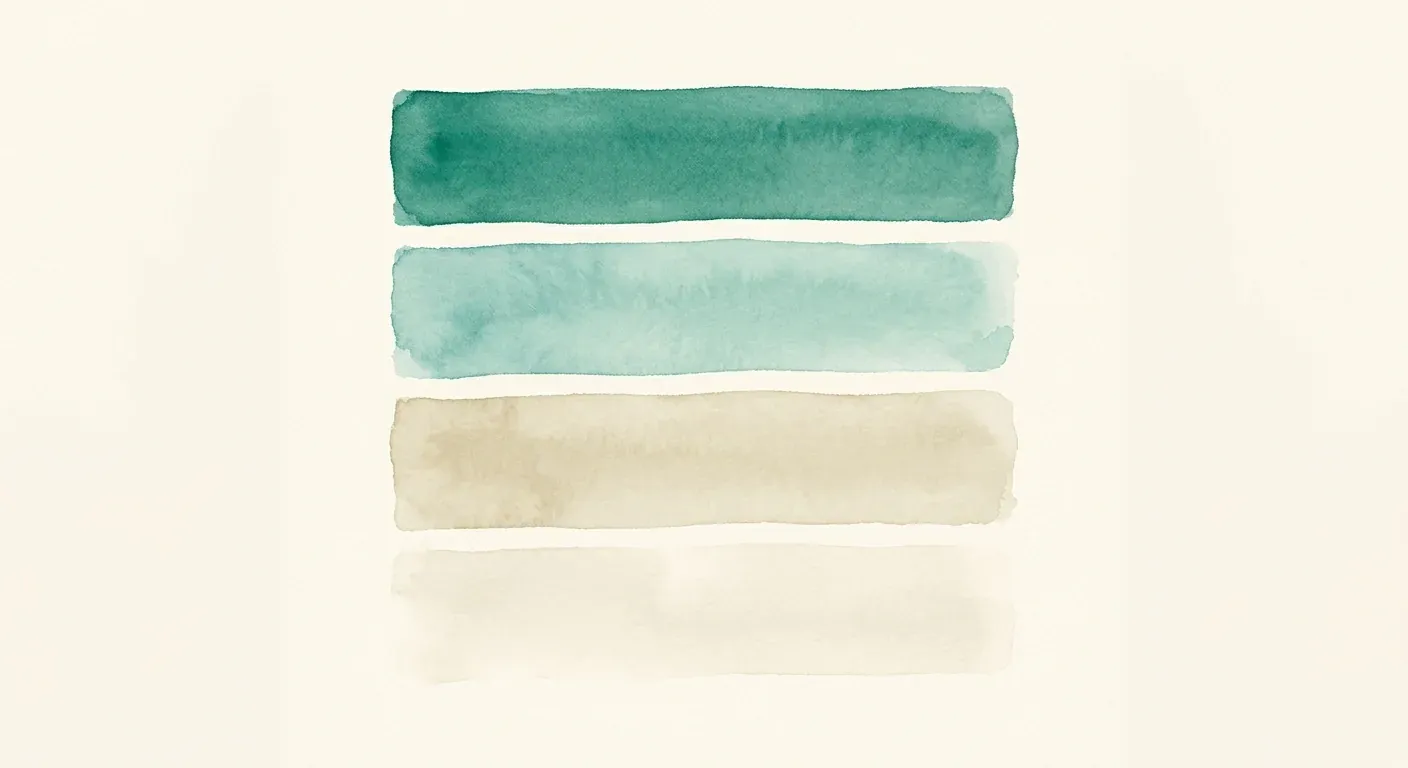
The honest hierarchy: one evidence-backed option, one defensible adjunct, one cosmetic-only effect, and one to skip.
1. Ketoconazole shampoo — the evidence-backed pick
Ketoconazole (the active in Nizoral and cheaper generics) is the one shampoo with genuine anti-hair-loss data. It is an antifungal with additional anti-inflammatory — and possibly mild anti-androgenic — effects on the scalp. Published work, going back to Piérard-Franchimont’s late-1990s study, found that regular ketoconazole shampoo use was associated with improvements in hair density and the size of hair shafts, comparable in some measures to a minoxidil effect [1]. Later reviews have reinforced its role as a useful adjunct [2].
It also does something more straightforward: it treats the seborrhoeic dermatitis and dandruff that cause scalp inflammation, which can itself worsen shedding. So even setting the density data aside, a healthier scalp is a reasonable foundation. Standard use is 1–2% ketoconazole, left on the scalp a few minutes before rinsing, 2–3 times a week. It is cheap, available, and slots into any routine. This is the shampoo worth using for the hair-loss angle — see the full ketoconazole article.
2. Caffeine shampoo — a defensible adjunct, low expectations
Caffeine shampoo (Alpecin and many others) has real laboratory biology behind it — caffeine can counteract some of testosterone’s suppressive effects on cultured hair follicles. But the human clinical evidence is thin, and the brief-contact-time problem applies in full: a wash gives the caffeine little time to act. It is a reasonable, low-stakes adjunct if you enjoy using it, with honestly low expectations — not a treatment. The caffeine shampoo article walks through exactly what the evidence does and does not support.
3. Thickening / volumizing shampoos — cosmetic, and that’s fine
Thickening and volumizing shampoos work — cosmetically. They coat and temporarily plump the hair shaft so each strand is slightly thicker and the whole head looks fuller, often with ingredients that add body and lift at the root. The effect is real and immediate, which is why these products feel effective. But it is appearance only: it does nothing to the follicle, does not slow hair loss, and washes out. That is a perfectly legitimate thing to buy if a fuller look today is the goal — just do not mistake it for treating the loss.
4. “DHT-blocking botanical” shampoos — skip
Shampoos built around saw palmetto or other botanical “DHT blockers” are where the contact-time problem becomes fatal to the claim. Even granting that the botanical inhibits 5α-reductase to some degree, a rinse-off product gives it almost no time to penetrate and act on the follicle. These are mostly a real-sounding mechanism wrapped around a format that cannot deliver it — often at a premium price. There is little reason to choose one over a cheaper ketoconazole shampoo with actual evidence.
What a shampoo can and can’t do
How to choose
- • The best-evidenced anti-hair-loss shampoo
- • Treats scalp inflammation that worsens shedding
- • Slots in alongside your real treatments
- • No interference with your treatments
- • Low expectations are the right frame
- • Ketoconazole is the better-evidenced of the two
- • Real, immediate cosmetic effect
- • Coats and plumps the shaft for fuller look
- • Does nothing for the underlying loss
- • Rinse-off format undercuts the DHT-blocking premise
- • Usually overpriced for the (lack of) evidence
- • Ketoconazole does more for less
The bottom line
The best anti-thinning shampoo for actually addressing hair loss is, unglamorously, ketoconazole — cheap, widely available, evidence-backed for modest density benefit, and genuinely good for the scalp. Caffeine shampoo is a defensible adjunct with low expectations; cosmetic volumizers are a real but appearance-only way to look fuller today; and premium “DHT-blocking botanical” shampoos are mostly a mechanism story the rinse-off format can’t deliver. Above all, keep the category in proportion: a shampoo is scalp maintenance and, at best, a modest adjunct — not a substitute for the leave-on treatments that actually regrow hair. Use ketoconazole a few times a week, put your real effort into minoxidil and finasteride, and let the shampoo do the small, honest job it can actually do.
What to read next
- Ketoconazole Shampoo for Hair Loss (2026) — the full evidence on the one shampoo worth using for hair loss.
- Caffeine Shampoo for Hair Loss (2026) — the honest read on the most-marketed growth shampoo.
- Best Hair Loss Treatments (2026) — the leave-on treatments that actually drive regrowth.
- Minoxidil Complete Guide (2026) — why the format (leave-on, not rinse-off) is what makes a treatment work.
References
Disclaimer: This article is educational, not a product endorsement. The author earns no commission on the products discussed. Shampoo can support scalp health and, in ketoconazole’s case, offer a modest evidence-backed adjunct benefit, but no shampoo substitutes for the evidence-based treatments for hair loss. If you are losing hair, see a dermatologist to identify the cause and match it to treatment.