Low-Dose Oral Minoxidil (LDOM) in 2026: The Complete Dosing & Safety Guide
Why dermatologists now prescribe 0.25–5 mg minoxidil pills for hair loss, the actual dosing ladder, what 1,404 patients tell us about safety, and when LDOM is the wrong call.
Every post is a deep dive on a peer-reviewed study or a personal protocol I tested. No farmed content, no hype.
18 articles
Why dermatologists now prescribe 0.25–5 mg minoxidil pills for hair loss, the actual dosing ladder, what 1,404 patients tell us about safety, and when LDOM is the wrong call.
The full side-effect profile of topical and oral minoxidil — dread shed, propylene glycol irritation, hypertrichosis, cardiac, cat toxicity — sorted by what RCTs actually report vs Reddit hearsay.
Dutasteride suppresses 90% of scalp DHT vs finasteride's 70% — but it's off-label, more expensive, and has a 5-week half-life. The actual head-to-head comparison and a decision tree.
Every hair-loss treatment — minoxidil, finasteride, microneedling, even shedding from stress — is doing something specific to one phase of the hair cycle. Once you see the cycle clearly, the treatment landscape makes sense.
DHT is the hormone that drives androgenetic alopecia — but it doesn't attack all hair the same way. The mechanism, the genetic susceptibility, and what actually happens when finasteride blocks it.
Forum threads paint finasteride as terrifying. The published trial data tells a more measured story. Here are the actual numbers — sexual, mood, prostate-related — across 14,000+ patients.
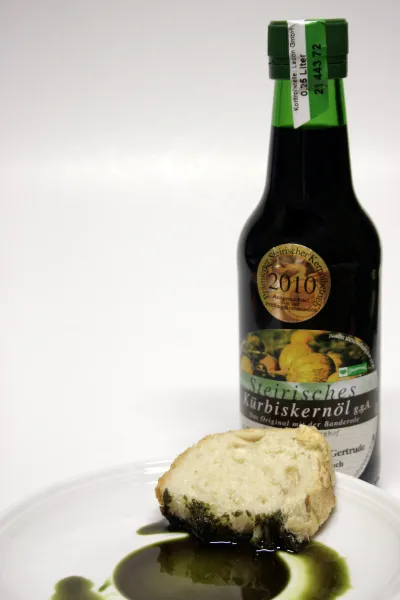
Cho 2014 double-blind RCT: 400 mg/day pumpkin seed oil produced +40% hair count vs +10% placebo at 24 weeks. The mechanism, the dose, and how PSO compares to saw palmetto and finasteride.
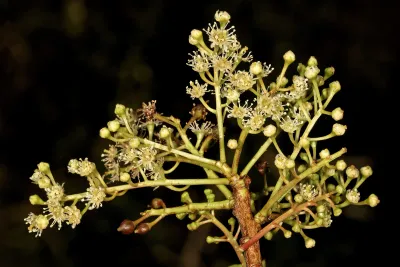
Pygeum (Prunus africana) has strong evidence for prostate health and a plausible 5α-reductase mechanism for hair loss — but no major standalone AGA trial. Honest analysis of where it fits in your supplement stack.
A single 2010 RCT showed tocotrienol supplementation increased hair count 34.5% over 8 months. The 2025 Frontiers meta-analysis confirmed the effect — but it's still one trial. Here's what to make of it.
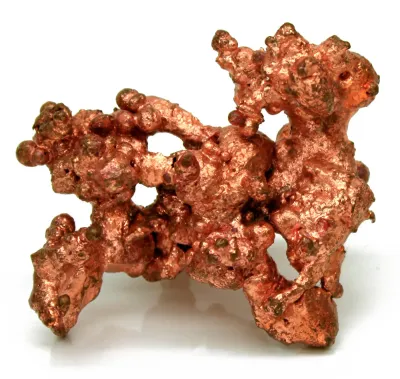
GHK-Cu is marketed as a hair regrowth peptide, but the most-cited human trial used copper-FREE GHK combined with another molecule, and the in-vitro data many sites quote is for a different peptide. An honest evidence audit.
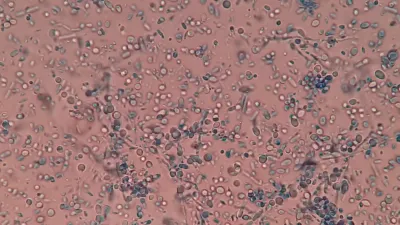
Ketoconazole 2% shampoo (Nizoral) has the longest evidence base of any OTC topical for hair loss. The claims aren't huge — but they're real, replicated, and cheap. An honest review of every key trial since 1998.
FPHL is the most-studied hair loss in women — and the most-misrepresented. Honest evidence on minoxidil, spironolactone, LDOM, and the blood panel that changes the diagnosis.
Why it's happening, when it stops, and what you can safely do while breastfeeding. Includes the postpartum-specific blood panel — and an honest note on whether 'PPTE' is even a real diagnosis.
The only FDA-approved topical hair regrowth drug. How it works, what concentration, foam vs liquid, oral vs topical, side effects, and what to expect from month 1 to month 12.
Saw palmetto delivers about 50–60% of finasteride's effect with a fraction of the side-effect risk — but only if you buy the right form. The full evidence + a buyer's guide.
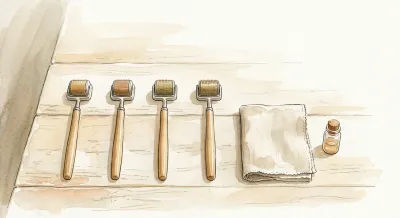
Combining a 1.5 mm dermaroller with topical minoxidil produced 4× more hair regrowth than minoxidil alone in the Dhurat 2013 RCT. Mechanism, needle length, protocol, and what the 2025 meta-analysis confirms.
There are five evidence-based treatments for androgenetic alopecia in 2026 — minoxidil, finasteride, dutasteride, microneedling, and saw palmetto. Here's how to pick the right combination for your case in under 10 minutes.
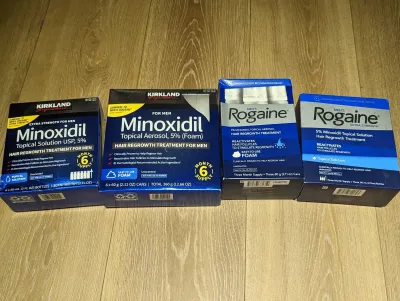
Both are 5% minoxidil with identical FDA-approved active ingredient. So why does Rogaine cost 3× more? A 3-year side-by-side from someone who tested both.