Hair Loss During Pregnancy (2026): Why It's Unusual and What It Means
📌 TL;DR
- Pregnancy normally makes hair fuller, not thinner. Rising estrogen prolongs the anagen (growth) phase, so a higher proportion of follicles stay growing and fewer shed — the telogen fraction drops through the second and third trimesters.
- Because the hormonal default is thicker hair, noticeable hair LOSS during pregnancy is atypical and worth investigating rather than dismissing. The common culprits are iron deficiency, thyroid dysfunction, or a telogen effluvium triggered by a first-trimester stressor (severe morning sickness, illness, or stopping hormonal contraception before conceiving).
- The famous 'pregnancy hair loss' that most people mean is actually postpartum — the big shed that arrives 2–4 months after delivery when estrogen falls and the accumulated growing hairs shift to shedding together. That is a separate, self-resolving event covered in the postpartum guide.
- Treatment options during pregnancy are deliberately limited. Finasteride, dutasteride, and spironolactone are absolutely contraindicated (teratogenic / anti-androgen risk to a male fetus). Minoxidil is generally advised against during pregnancy. The safe mainstay is finding and correcting the underlying cause — iron, thyroid, nutrition.
- The right move for hair loss in pregnancy is a conversation with your obstetric provider plus targeted bloodwork (ferritin, TSH, CBC), not a hair product. Active androgenetic-alopecia treatment waits until after pregnancy, and usually after breastfeeding.
Hair Loss During Pregnancy (2026): Why It’s Unusual and What It Means
Last updated: June 2026 | Written by RK
Most of what people call “pregnancy hair loss” is not actually about pregnancy — it is about the months after delivery, when estrogen drops and a big shed arrives. During pregnancy itself, the hormonal default runs the other way: hair usually gets thicker and fuller, because the same rising estrogen that does so much else in pregnancy also keeps hair follicles in their growth phase longer.
That makes genuine hair loss during pregnancy an interesting signal. It is not the expected hormonal trajectory, so when it happens it is usually pointing at something else — most often iron, thyroid, or a telogen effluvium triggered earlier in the pregnancy. This guide explains the biology of pregnancy hair, what it means when hair thins anyway, what is and is not safe to do about it, and how it connects to the much more common postpartum shed.
What pregnancy normally does to hair
Estrogen-prolonged anagen — well-established hair-cycle physiologyThe hair follicle cycles through growth (anagen), transition (catagen), and rest (telogen), after which the resting hair sheds. On a normal scalp roughly 85–90% of follicles are in anagen and 10–15% in telogen at any time. Estrogen extends the anagen phase — and pregnancy floods the system with it.
The practical consequence: most women notice less shedding and somewhat thicker hair as pregnancy progresses, peaking in the third trimester. This is the normal, expected pattern. It is also why the shed after delivery can feel so dramatic — all those extra hairs that were held in growth let go at roughly the same time, which is the postpartum telogen effluvium most people associate with having a baby. (For the underlying cycle biology, see the hair growth cycle explained.)
So why would hair thin during pregnancy?
Because the hormonal default is thicker hair, noticeable thinning while still pregnant means something is overriding that default. Four causes account for the great majority.
The first three are the ones worth actively checking, because they are both common and correctable — and two of them (iron, thyroid) matter for the pregnancy as much as for the hair.
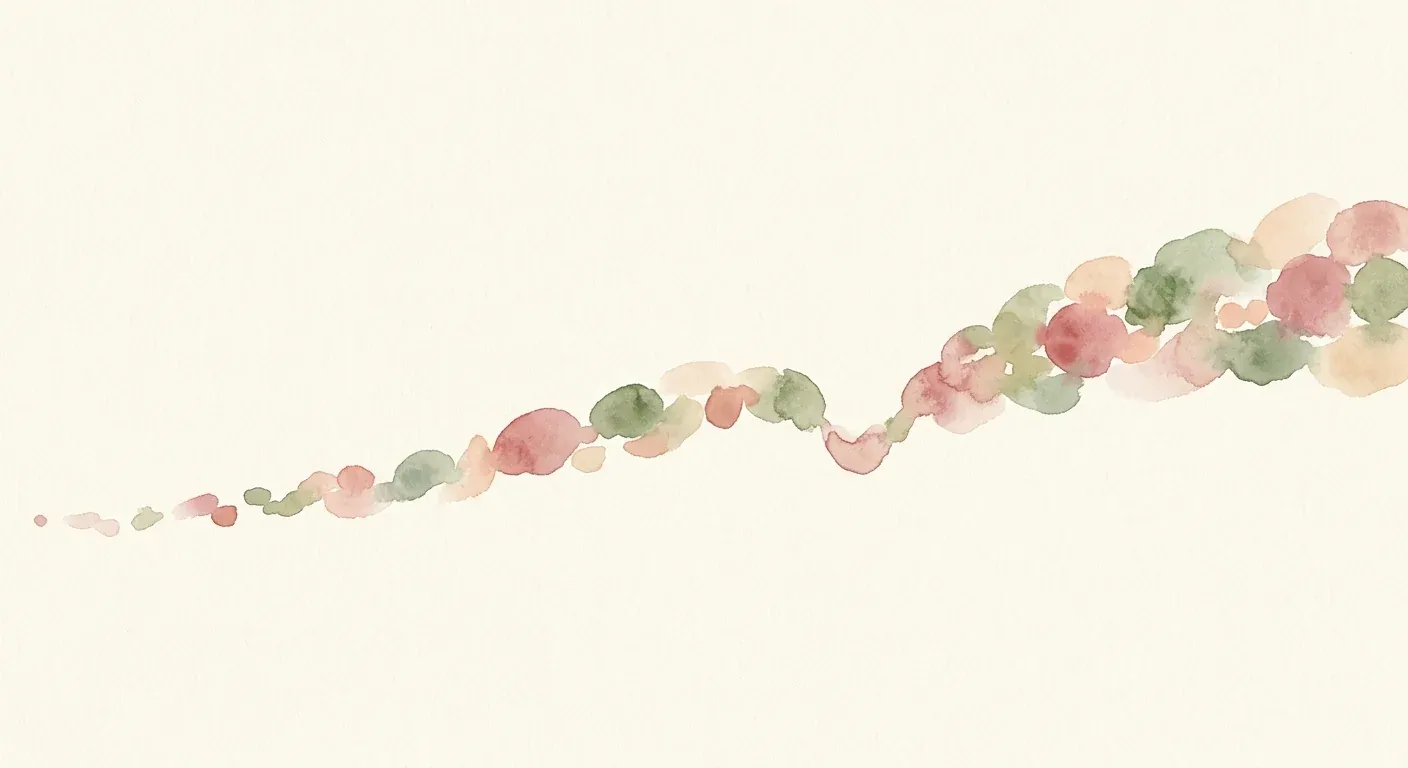
The expected pregnancy trajectory is rising fullness. A dip against that trend — thinning while still pregnant — is the signal that one of the correctable causes may be in play.
What is safe to do during pregnancy
This is where pregnancy hair loss differs sharply from every other scenario on this site: most of the active treatments are off the table.
- Finasteride and dutasteride — absolutely contraindicated. These 5α-reductase inhibitors can interfere with the genital development of a male fetus. Pregnant women are advised not even to handle crushed or broken finasteride tablets. (See the finasteride complete guide for why the drug’s mechanism makes this a hard rule.)
- Spironolactone — avoided. The anti-androgen used for female pattern hair loss and PCOS carries the same anti-androgen risk to a male fetus.
- Minoxidil — generally advised against. Topical minoxidil’s pregnancy safety data are limited and there are case reports of fetal concerns; the common clinical recommendation is to stop it when trying to conceive or as soon as pregnancy is confirmed. The LactMed database also advises caution with minoxidil during breastfeeding [3].
What is safe and useful:
- Find and correct the cause. Targeted bloodwork — ferritin, TSH, and a complete blood count — identifies the iron and thyroid causes, which are the common correctable ones. Treating a measured iron deficiency is safe and necessary in pregnancy for the pregnancy itself; whether correcting it directly improves the hair shedding is less certain — the evidence for iron’s role in hair loss (outside frank iron-deficiency anemia) is limited [2].
- Prenatal nutrition. A standard prenatal vitamin covers the general nutritional bases; this is not the place for megadose hair supplements (and high-dose biotin can distort lab tests used in pregnancy — see the biotin myth).
- Reassurance and time. If the cause is a telogen effluvium from a first-trimester trigger, it is self-limiting — the shed is the tail end of an event that has already passed, and recovery follows once the trigger clears [4].
- Defer AGA treatment. If the loss is pattern hair loss, the active treatments wait until after pregnancy, and usually after breastfeeding. It is a pause, not a cancellation.
What to do
- • The trigger has already passed; the shed is the tail end
- • No pregnancy-safe drug is needed for classic TE
- • Track with monthly photos; expect gradual recovery
- • Iron deficiency and thyroid disease are common and treatable
- • Both matter for the pregnancy, not just the hair
- • Correcting them addresses the shedding at its source
- • Finasteride / dutasteride / spironolactone: male-fetus risk
- • Minoxidil: limited safety data, generally advised against
- • AGA treatment resumes after pregnancy / breastfeeding
- • Patchy loss suggests alopecia areata, not a pregnancy effect
- • Scaling/scarring suggests an inflammatory or scarring alopecia
- • These need assessment regardless of pregnancy
Pregnancy vs postpartum — keep them straight
The single most useful distinction:
- During pregnancy: hair usually gets fuller. Thinning here is atypical and worth investigating (iron, thyroid, TE trigger).
- After delivery (postpartum): a heavy shed at 2–4 months is normal and expected, as the pregnancy-held hairs all shift to shedding together. It is self-resolving and almost never needs treatment.
Most “pregnancy hair loss” worry is really about the postpartum shed that has not happened yet, or has just started. If your baby has arrived and the shedding began a couple of months later, you are in postpartum territory — see the postpartum hair loss recovery guide for that full timeline. If you are still pregnant and shedding, this article’s investigate-the-cause approach is the right one.
What to read next
- Postpartum Hair Loss Recovery (2026) — the common after-delivery shed, in depth: timeline, what helps, and when it is not just postpartum.
- Telogen Effluvium: The Complete Guide (2026) — the shedding mechanism behind both the pregnancy and postpartum scenarios.
- Female Pattern Hair Loss: Complete Guide (2026) — for pattern thinning that needs treatment once pregnancy and breastfeeding are over.
- The Hair Growth Cycle Explained (2026) — anagen, catagen, telogen, and why estrogen changes the balance.
References
[3] Drugs and Lactation Database (LactMed®). “Minoxidil.” National Library of Medicine, Bethesda (MD).
Disclaimer: This article is educational, not medical advice, and pregnancy is a setting where that distinction matters more than usual. Any hair loss, bloodwork, or supplement decision during pregnancy should go through your obstetric provider, who is managing the whole picture. Do not start or stop medications based on this article alone — but do raise hair loss with your provider, because the common causes are both treatable and relevant to the pregnancy itself.