Pygeum for Hair Loss: Stack Add-on or Marketing Hype? (2026)
📌 TL;DR
- Pygeum has strong RCT evidence for benign prostatic hyperplasia (BPH). For androgenetic alopecia specifically, evidence is mostly mechanistic + combination-formula trials, not standalone AGA trials.
- Mechanism: β-sitosterol, oleanolic acid, and ferulic esters in pygeum bark provide weak 5α-reductase inhibition (same enzyme as finasteride/saw palmetto/PSO targets).
- Piquero-Casals 2025 RCT (n=80, both sexes, AGA + chronic telogen effluvium) on a Saw palmetto + Pumpkin seed + Pygeum + L-Cystine combo showed significant hair-density and anagen-count gains vs placebo over 6 months.
- Position: a third-tier add-on after saw palmetto and pumpkin seed oil. Don't make it your primary supplement; do consider it as part of a stack.
- Effective dose: 100–200 mg/day of standardized bark extract (BPH-trial doses). No AGA-specific dosing has been definitively established.
Pygeum for Hair Loss: Stack Add-on or Marketing Hype? (2026)
Last updated: May 2026 | Written by RK
If you’ve shopped supplements for hair loss, you’ve seen pygeum on the label of half the “natural DHT blocker” formulas. Saw palmetto + pumpkin seed + pygeum + zinc is the standard four-ingredient stack pretty much every brand sells. The question worth asking: does pygeum actually do something for hair, or is it filler dressing up a saw palmetto product?
The honest answer requires two separate evaluations. Pygeum has strong evidence for benign prostatic hyperplasia (BPH) — that’s settled. For androgenetic alopecia specifically, the evidence is much weaker than what saw palmetto or pumpkin seed oil have. This article walks through that gap, where pygeum still earns a place in some stacks, and where it’s just marketing.
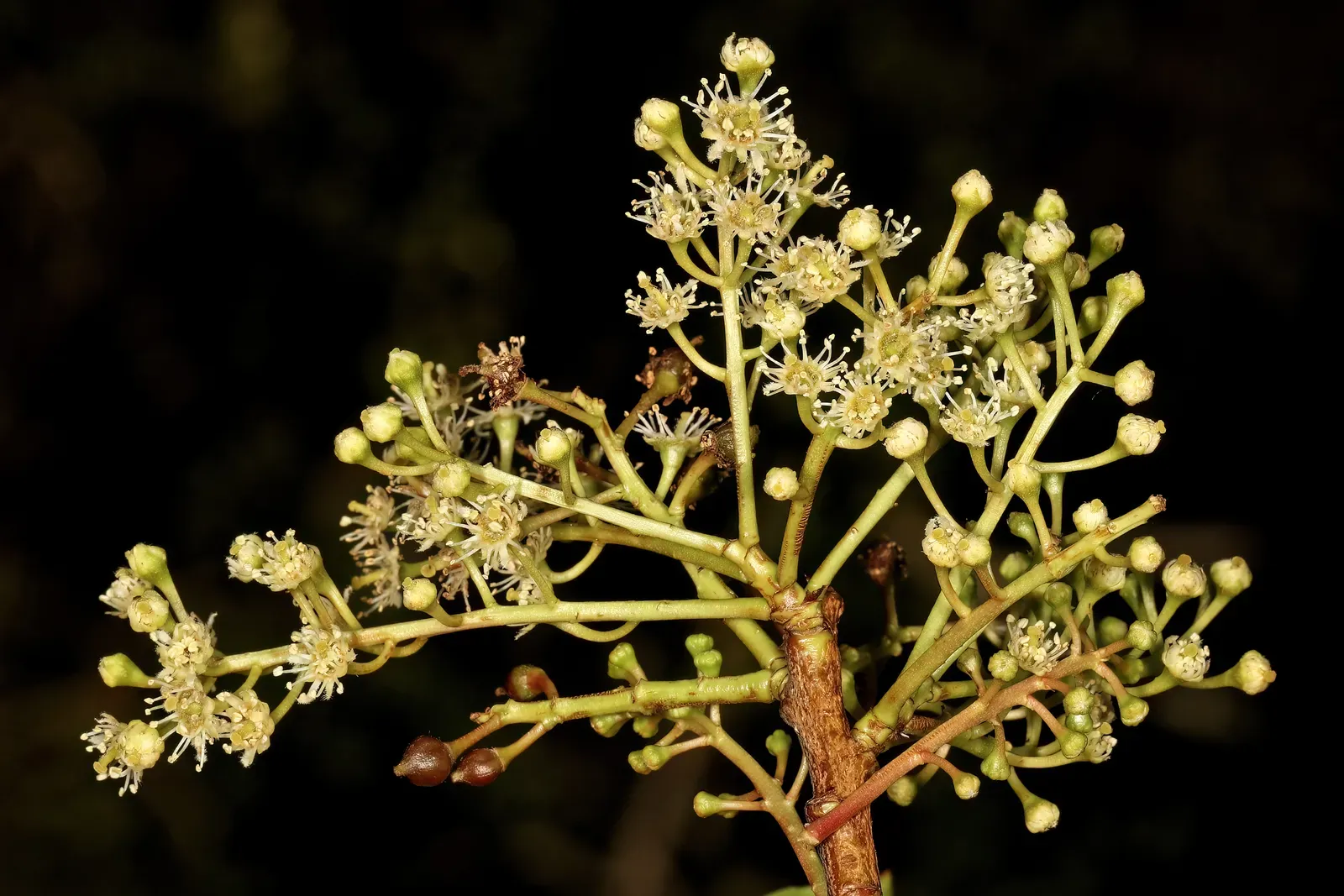
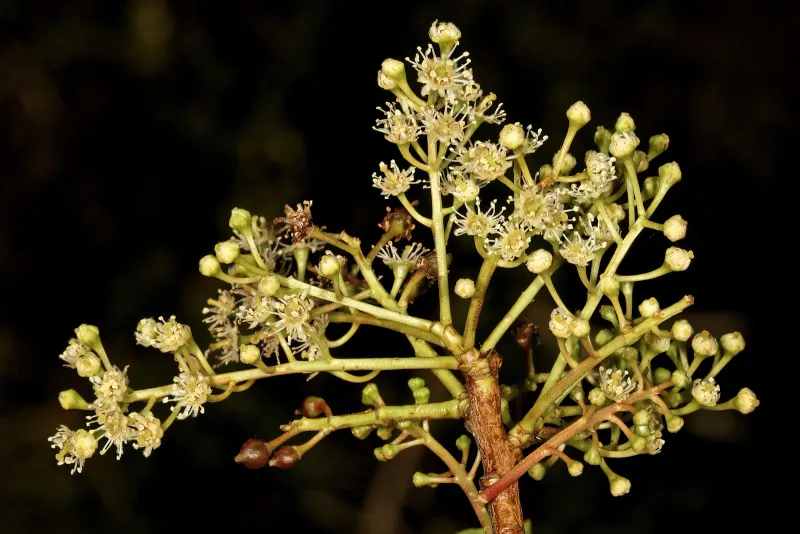
Photo: SAplants via Wikimedia Commons (CC BY-SA 4.0).
What pygeum is
Pygeum africanum (now botanically reclassified as Prunus africana, also called African cherry or red stinkwood) is an evergreen tree native to mountain forests across central and southern Africa. The medicinally relevant part is the bark, traditionally used in African folk medicine for urinary symptoms.
The active compound profile:
- β-sitosterol — phytosterol with weak 5α-reductase inhibition
- Oleanolic acid + ursolic acid — pentacyclic triterpenoids with anti-inflammatory and weak androgenic-modulating activity
- Ferulic esters — cholesterol-modulating compounds
- N-docosanol — a long-chain fatty alcohol
Modern pygeum supplements use standardized bark extracts, typically containing 12–13% total sterols. The most-studied product is Tadenan (the European pharmaceutical-grade extract used in many BPH trials).
For background on why blocking 5α-reductase helps hair, see DHT and Hair Loss: How It Works.
Where the evidence is strong: BPH
This is the part that’s easy to write because the evidence is mature. The 2002 Cochrane systematic review (Wilt et al.) [1] pooled 18 randomized controlled trials with 1,562 men and concluded:
- Pygeum produced moderate improvements in urinary symptom scores vs placebo
- Improved peak urinary flow rate
- Effect size was clinically meaningful but smaller than 5α-reductase inhibitor drugs (finasteride, dutasteride)
Pygeum is approved as a prescription drug for BPH in France, Germany, and Italy under the brand name Tadenan.
The mechanism by which pygeum helps BPH — reducing DHT signaling at the prostate — is the same mechanism that should, in theory, help hair follicles. Both are DHT-driven conditions. So pygeum’s BPH credentials are why it ended up in hair-loss formulas in the first place.
Where the evidence is weak: AGA standalone
Here’s the gap most supplement marketing skips.
There is no large, well-designed standalone Pygeum-only RCT for androgenetic alopecia. Compare this to:
- Saw palmetto: Rossi 2012 head-to-head with finasteride (n=100, 2 years) + multiple BPH→AGA crossover studies + 2025 USPlus VISPO trial
- Pumpkin seed oil: Cho 2014 double-blind RCT (n=76, 24 weeks, +40% hair count vs +10% placebo)
- Pygeum: small clinical observations, mechanistic studies, and combination formula trials — no equivalent of Cho 2014
What evidence does exist:
Combination formula trials
The strongest recent direct evidence is Piquero-Casals et al. 2025 [2] — a double-blind, placebo-controlled RCT (n=80, both sexes) testing a supplement containing L-Cystine + Saw palmetto + Pumpkin seed + Pygeum for chronic telogen effluvium and androgenetic alopecia over 6 months. Results:
- Hair density rose significantly vs placebo — +9.9 hairs/cm² at 3 months and +12.3 hairs/cm² at 6 months (p < 0.001)
- In the chronic-telogen-effluvium subgroup, anagen (growth-phase) hair count also improved at 3 and 6 months (subgroup figures reported in the full text, not the abstract)
- Overall hair volume favored the supplement at 1, 3, and 6 months
The catch: the trial can’t isolate pygeum’s contribution from the other three ingredients. Saw palmetto alone has demonstrable effects; pumpkin seed oil alone has demonstrable effects; L-cystine supports keratin synthesis. Pygeum’s incremental contribution within the combo is mathematically unidentified. Combo only
Mechanistic studies
In vitro and animal studies show:
- Pygeum bark extract inhibits 5α-reductase in cell culture (weaker than finasteride)
- β-sitosterol blocks DHT–androgen receptor binding to a modest degree [3]
- Oleanolic acid has anti-inflammatory effects on follicular dermal papilla cells
These are the bricks that justify clinical investigation, not proof of clinical effect.
Methodology caveat that matters: When you see “pygeum is clinically proven for hair loss” on a supplement bottle, it’s almost certainly extrapolating from BPH evidence + the mechanism story. The label is technically true (pygeum is clinically proven, for BPH) but the implication is misleading.
Where pygeum earns a place in your stack
Despite the weaker direct evidence, pygeum isn’t snake oil. It earns a third-tier position in a natural-stack approach because:
✅ Mechanism aligns with finasteride / saw palmetto
Different molecular mechanism (β-sitosterol + oleanolic acid vs saw palmetto’s fatty acids). Likely additive to other 5α-reductase modulators in a stack.
✅ Side-effect profile is favorable
RCT data from BPH trials shows side-effect rates similar to placebo. Most reports are mild GI upset.
✅ Combo evidence is improving
Piquero-Casals 2025 plus a few earlier combo trials show that formulas containing pygeum can outperform placebo on hair-cycle markers — even if pygeum’s solo contribution is unclear.
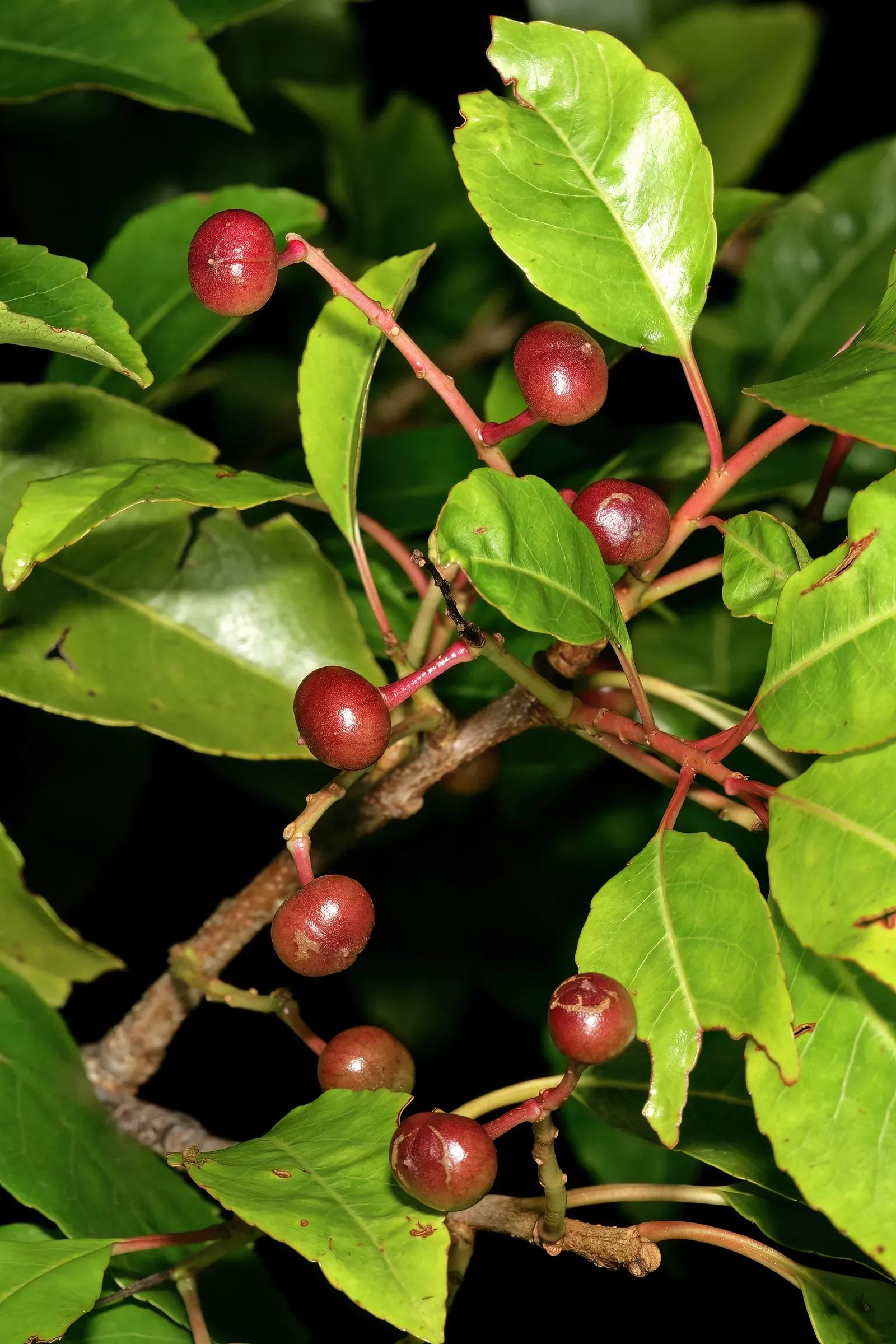
Photo: SAplants via Wikimedia Commons (CC BY-SA 4.0).
How to choose a pygeum product
Most pygeum on Amazon is sold as part of combination supplements. If you want pygeum specifically:
1 Standardized to 12–13% total sterols (this is the BPH-trial standard)
2 Dose: 100–200 mg/day of the bark extract (most products list 100 mg)
3 Sustainable sourcing — Prunus africana is IUCN-listed Vulnerable. Look for FairWild certification or Cameroon/Madagascar plantation source. Avoid cheap unsourced products.
4 Combination products: a typical “men’s prostate + hair” blend of saw palmetto 320 mg + pygeum 100 mg + zinc 15 mg matches the trial-tested ingredients
Sustainability note: Prunus africana is one of the few medicinal plants where buying ethically actually matters. Wild African populations have collapsed in some areas due to over-harvesting for European supplement markets. The certified-sourced products cost a few dollars more but the ethical math is real.
Where to find these supplements
Pygeum is widely available at most pharmacies (CVS, Walgreens), Costco, Amazon, iHerb, and Vitamin Shoppe. For the “natural DHT-blocker stack” approach, look for combination products containing saw palmetto + pygeum + pumpkin seed oil + zinc — typically priced around $15–25/month.
Now Foods Pygeum + Saw Palmetto, Solaray Saw Palmetto + Pygeum + Zinc, and Swanson’s combo products are commonly recommended in the hair-loss community at the trial-tested doses.
Pygeum + saw palmetto + PSO — the natural triad
The “all three in one stack” approach has theoretical appeal: each ingredient hits 5α-reductase via a different molecular pathway, so additive (or even synergistic) effects are biologically plausible.
Practical recommendation: Start with saw palmetto + pumpkin seed oil. Add pygeum if you want maximum natural stack and don’t mind the cost. Don’t expect pygeum alone to do much.
Who should NOT take pygeum
⚠️ Pregnant or breastfeeding
Insufficient safety data. Avoid as a precaution; same logic as other 5α-reductase modulators.
⚠️ Already on finasteride or dutasteride
Pygeum’s marginal contribution is small when DHT is already 70–94% blocked by prescription drugs. Save the pill count.
⚠️ Hormone-sensitive cancer history
Although pygeum is generally considered safe, any 5α-reductase modulator should be discussed with an oncologist if you have a history of prostate or breast cancer.
The decision card
Best for: maximum natural stack, BPH-co-presenting users
If you’re building the strongest no-prescription protocol and willing to pay for thoroughness, pygeum at 100 mg/day on top of saw palmetto + PSO is reasonable. Bonus: real BPH benefit if you’re approaching the age where prostate symptoms emerge.
Marginal for: starting your supplement regimen
If you can only afford one supplement, choose saw palmetto. If you can afford two, add pumpkin seed oil. Pygeum is the third addition, not the first.
Skip if: on finasteride / dutasteride, or buying a “miracle” hair pill
Pygeum is a quiet stack add-on, not a primary treatment. Anyone selling it as a “natural finasteride” is overstating the evidence.
What to read next
- Saw Palmetto for Hair Loss (2026) — the strongest-evidenced natural DHT blocker. First in the triad.
- Pumpkin Seed Oil for Hair Loss (2026) — second in the triad. Cho 2014 RCT data.
- DHT and Hair Loss: How It Works — mechanism foundation. Pygeum’s premise is built on this.
- Best Hair Loss Treatments in 2026 — decision tree placing the natural stack vs prescription options.
- Saw Palmetto for Hair Loss (2026) — the better-studied phytosterol DHT blocker pygeum is usually stacked with.
- Pumpkin Seed Oil for Hair Loss (2026) — the natural option with the strongest single RCT.
References
Disclaimer: This article is personal research and review. It is not medical advice. Pygeum’s standalone evidence for androgenetic alopecia is weak by the standards used in this guide. The honest version: it’s a reasonable stack add-on with a plausible mechanism, but it’s not a primary treatment. If a supplement marketing page claims otherwise, treat with skepticism.