Scalp Micropigmentation (SMP) in 2026: What It Is, Who It's For, and Honest Limits
📌 TL;DR
- Scalp micropigmentation (SMP) is a cosmetic procedure that deposits tiny dots of pigment in the upper layer of the scalp to replicate the look of hair follicles. It does not grow hair — it is camouflage — and understanding that distinction is the whole key to using it well.
- Three main jobs: the 'shaved-head' illusion for bald or extensively bald men (replicating closely-cropped stubble), a density illusion for thinning hair (darkening the scalp so it shows through less), and camouflage of scars — including transplant scars that nothing else hides well.
- Done by a skilled practitioner it can look genuinely convincing and works at any stage of loss, with no drugs, minimal downtime, and a cost well below a hair transplant. Done badly it looks like dots, a helmet edge, or the wrong colour — practitioner skill is the single biggest variable.
- It is semi-permanent, not permanent: the pigment softens and fades over roughly 3–6 years and needs periodic touch-ups. Specialised SMP pigments are designed to fade in tone rather than turn blue/green like old tattoo ink, but only when done correctly.
- SMP and hair transplantation are not rivals so much as partners — transplant adds real (donor-limited) hair, SMP adds limitless apparent density and hides the scars. Many people combine them. SMP is the wrong choice only for those who actually want to regrow and keep longer hair, who should look to the medical treatments instead.
Scalp Micropigmentation (SMP) in 2026: What It Is, Who It’s For, and Honest Limits
Last updated: June 2026 | Written by RK
Most of this site is about growing or keeping hair. Scalp micropigmentation does neither — and for the right person, that is exactly why it works so well. SMP is cosmetic camouflage: thousands of tiny pigment dots tattooed into the scalp to replicate the look of hair follicles, either as the stubble of a closely-shaved head or as a density-boosting shadow between thinning hairs. It will not regrow a single strand. What it will do, in skilled hands, is change how bald or thinning scalp looks — immediately, at any stage of loss, without drugs.
This guide is the honest version: what SMP actually is, the three jobs it does well, how it compares to a hair transplant, the real limitations and risks, and how to choose a practitioner — because with SMP, the practitioner is very nearly the whole story. For the regrowth-focused options, see the best hair loss treatments overview; for the surgical alternative, see hair transplant FUE vs FUT.
What SMP actually is
Established cosmetic procedure; effectiveness is about craft, not pharmacologyScalp micropigmentation deposits tiny dots of pigment into the upper dermis of the scalp using fine needles, building up — usually over two to four sessions — a pattern that mimics the appearance of hair follicles emerging from the skin [1]. It is a cousin of tattooing and cosmetic micropigmentation (the same family as microbladed eyebrows), but specialised: finer needles, more superficial placement, dot-by-dot stippling rather than lines, and pigments formulated to fade in tone rather than migrate to blue or green.
Crucially, SMP is not a medical treatment for hair loss in the way minoxidil or finasteride are — it does nothing to the follicle, the hormone, or the hair cycle. It is a visual solution to a visual problem. That reframing is the single most important thing to understand before considering it: you are not buying hair, you are buying the convincing appearance of it. For the right goal, that is a feature; for the wrong goal, it is a deal-breaker.
The three jobs SMP does well
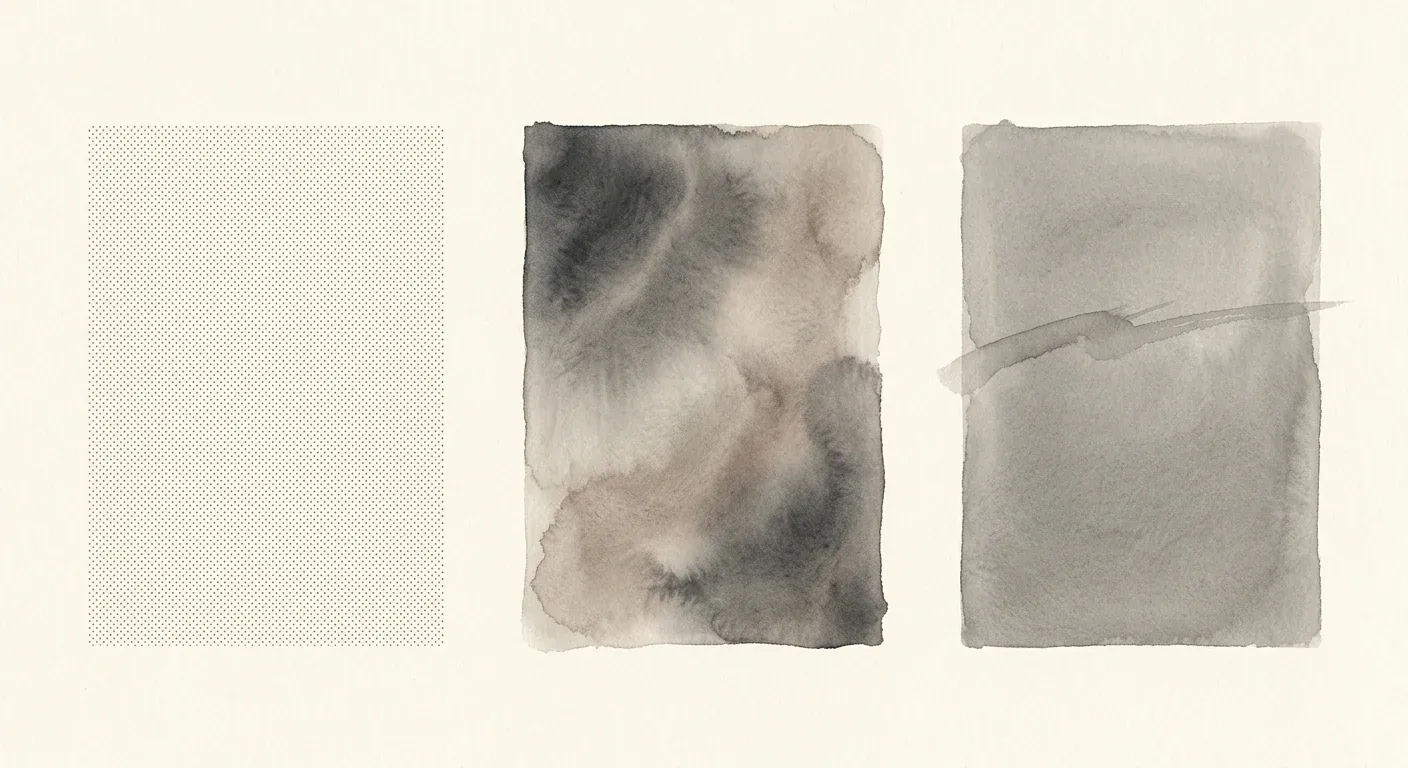
The three jobs: replicate close-cropped stubble, add a density shadow to thinning hair, and bridge the contrast across a scar.
1. The shaved-head illusion (extensive loss). For a man who is bald or nearly bald — Norwood VI–VII, where transplant donor supply runs short — SMP can replicate the look of a head that has been closely shaved by choice. Thousands of pigment dots stand in for the stubble of follicles, recreating a sharp, intentional buzzcut look on a scalp that no longer grows one. This is SMP’s signature use and where it is most convincing, because a real shaved head is itself just dots of stubble against skin.
2. The density illusion (thinning hair). For thinning rather than bald scalp — men and women with diffuse loss — SMP deposits pigment between the existing hairs. Because what makes thinning look thin is the contrast between dark hair and pale scalp showing through, darkening the scalp reduces that contrast and the hair reads as fuller. This works alongside existing hair (and alongside minoxidil), and is the main way SMP is used for female pattern hair loss and the thinning crown.
3. Scar camouflage. SMP can disguise scars that nothing else hides well — the linear strip scar from a FUT transplant, the dot scars from FUE, or scars from injury or surgery — by depositing pigment to break up the contrast between the smooth scar and the surrounding scalp. For someone who wears their hair short and is self-conscious about a transplant scar, this is frequently the best available fix.
SMP vs hair transplant
These two are often framed as competitors; they are closer to complements that solve different problems.
The clean way to think about it: transplant gives you a limited amount of real hair; SMP gives you an unlimited amount of apparent density but no real hair. They address the same insecurity from opposite directions, and combining them — transplant for real coverage where donor allows, SMP to fill the visual gaps and hide the scar — is increasingly common.
The honest limitations
SMP is genuinely effective for its intended jobs, but it is not magic and the trade-offs are real:
- It is an illusion, not hair. It produces the look of a shaved head or a denser scalp; it cannot give you length, movement, or a hairstyle. If your goal is to run your fingers through longer hair, SMP is the wrong tool — that goal points to the medical regrowth treatments or transplant.
- The result is only as good as the practitioner. This is the dominant variable. Skilled SMP is remarkably convincing; poor SMP looks like dots, a flat “helmet,” an unnaturally sharp or low hairline, or the wrong colour — and correcting bad work is harder and costlier than the original.
- It fades and needs maintenance. Expect gradual softening over years and periodic touch-ups. Budget for the upkeep, not just the initial sessions.
- Colour and depth carry risk. Pigment placed too deep can spread and blur or drift toward an unnatural tone over time; matching the colour to your skin and existing hair, and ageing the design appropriately (hairlines should soften with age), are part of the craft.
- Your surrounding hair has to match. The shaved-head look only works if you keep the rest of your hair buzzed to match the pigment length; you commit to a short style. The density illusion only works while you have some hair to blend with.
None of these are reasons to avoid SMP — they are reasons to go in with clear expectations and a carefully chosen practitioner.
Who SMP is right for
- • Works at any stage, unlike transplant
- • No donor-supply limit
- • The shaved look is where SMP is most convincing
- • Reduces the dark-hair-vs-pale-scalp contrast
- • Works alongside medical regrowth treatments
- • Best where some hair remains to blend with
- • Breaks up scar-vs-scalp contrast
- • Often the best fix for a short-hair wearer
- • Use an experienced practitioner — scar tissue is advanced work
- • SMP adds no real hair, length, or texture
- • Minoxidil/finasteride preserve and regrow real hair
- • Transplant relocates real follicles you can grow out
Choosing a practitioner — the part that matters most
Because SMP outcomes hinge on skill, practitioner selection is most of the decision:
- Review healed-result photos, not just fresh ones. Fresh SMP always looks bold; what matters is how it looks weeks later once it has settled. Ask specifically for healed results on skin and hair like yours.
- Look at hairline design. A natural SMP hairline is soft and age-appropriate, not a sharp drawn line or one placed too low for the person’s age. This is where amateur work gives itself away.
- Confirm hygiene and licensing. SMP breaks the skin; sterile technique and appropriate local licensing (cosmetic tattoo / micropigmentation regulations vary by region) are non-negotiable.
- Have a real consultation. Colour matching, density, hairline shape, and number of sessions should be discussed and agreed before any pigment goes in. A practitioner who rushes this is a warning sign.
- Understand the maintenance plan. Ask about expected fade time and touch-up cost up front, so the long-term commitment is clear.
Good SMP is one of the most reliably satisfying options in all of hair loss for its specific purpose — precisely because it sidesteps the biology entirely and depends only on craft. Bad SMP is a hard-to-undo mistake. The gap between the two is the practitioner.
The bottom line
Scalp micropigmentation is the option that stops trying to fix the follicle and fixes the appearance instead. For a man at advanced loss who is at peace with a shaved style, for someone wanting to soften the look of thinning, or for anyone needing to hide a scar, it can be transformative — immediate, drug-free, effective at any stage, and far cheaper than surgery. The honest caveats are that it is camouflage rather than hair, that it fades and needs upkeep, and that the entire outcome rides on choosing a genuinely skilled practitioner. Go in clear about what it is and is not, pick your artist as carefully as you would a surgeon, and SMP delivers on exactly what it promises — no more, and no less.
What to read next
- Hair Transplant FUE vs FUT (2026) — the surgical option SMP both competes with and complements.
- Best Hair Loss Treatments (2026) — the regrowth-focused medical options, if real hair is the goal.
- The Norwood Scale Explained (2026) — staging that frames when SMP becomes the realistic conversation.
- Female Pattern Hair Loss (2026) — where the SMP density illusion fits for women.
References
Disclaimer: This article is educational, not a clinical or cosmetic recommendation. Scalp micropigmentation is a skin-breaking cosmetic procedure whose safety and results depend heavily on practitioner skill, hygiene, and pigment quality; regulation varies by region. Research practitioners thoroughly, review healed results, and treat the choice with the same care you would any permanent cosmetic decision. SMP does not treat the underlying hair loss — if regrowth is your goal, discuss medical options with a dermatologist.